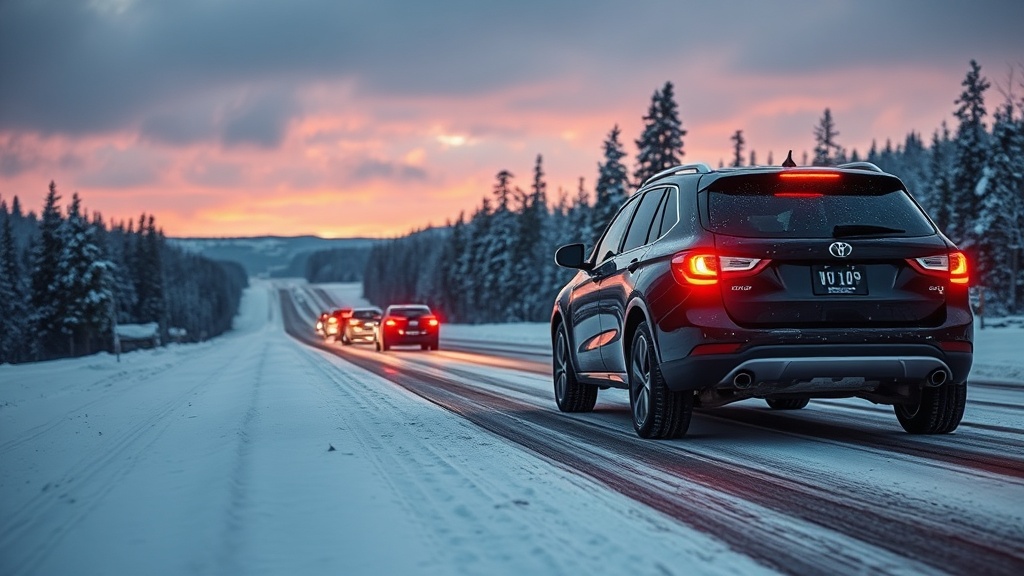
Prepare your vehicle for a winter drive on Highway 11

A heavy snowfall hits near Temiskaming Shores, and suddenly the windshield is a wall of white. The driver ahead of you hits a patch of black ice on a bridge, and your tires lose grip for a split second. It's a terrifying sensation that every one of us in Northern Ontario knows all too well. Driving Highway 11 during a Kirkland Lake winter isn't just about getting from A to B; it's about managing unpredictable conditions that can change in a heartbeat.
This post breaks down exactly how to prep your vehicle for the brutal winters we face here in the North. We'll look at tire requirements, fluid checks, and the specific gear you need to keep in your trunk when the snow starts piling up. Getting it right means the difference between a routine commute and a dangerous situation on the shoulder of the highway.
What are the best winter tires for Northern Ontario?
The best winter tires for our region are high-quality rubber compounds designed to stay soft in sub-zero temperatures and feature deep tread patterns for biting into snow and ice. In Kirkland Lake, we don't just need "all-season" tires—we need dedicated winter rubber. While many people try to stretch the life of their all-season tires, the reality is that they harden in the cold, losing almost all their grip once the temperature drops below 7°C.
If you're looking for reliability, look at brands like the Bridgestone Blizzak or the Michelin X-Ice. These aren't just names; they are industry standards for a reason. They handle the freeze-thaw cycles we see on Highway 11 much better than budget alternatives.
Here is a quick comparison of tire types you'll see at local shops:
| Tire Type | Best Use Case | Pros | Cons |
|---|---|---|---|
| All-Season | Summer/Mild Autumn | Quiet, good on dry pavement | Dangerous on ice and deep snow |
| All-Weather | Moderate Winters | Better than all-season in snow | Doesn't perform in extreme cold |
| Dedicated Winter | Kirkland Lake/Northern Ontario | Maximum grip on ice and slush | Higher price point |
Don't forget to check your tread depth. Even the best tire is useless if the grooves are filled with stones or worn flat. You can use a simple penny test, but a dedicated tread depth gauge is much more accurate. If you're unsure, head down to a local garage. It's much cheaper to change tires in October than to pay for a tow in January.
How do I check my car's fluids for winter?
You should check your engine coolant, windshield washer fluid, and oil levels to ensure your vehicle can handle extreme temperature swings. It's not enough to just "check" them; you need to ensure they are the right type for a Canadian winter.
First, let's talk about your washer fluid. If you're still using the cheap stuff from a gas station that isn't rated for low temperatures, it will freeze in your lines—leaving you blind the moment a snowstorm hits. You need a fluid rated for -40°C. Brands like Prestone make specific winter formulas that won't turn into a block of ice in your reservoir.
Next, look at your coolant (antifreeze). If your mixture is too thin, your engine might overheat or, more likely, the block could crack during a deep freeze. A quick trip to a mechanic to test your coolant's freezing point is a smart move. It’s a small price to pay for peace of mind.
The same goes for your battery. Cold weather is a battery killer. If your battery is more than three or four years old, it might struggle to turn over the engine on a -30°C morning. If you hear that slow, struggling crank, it's time for a replacement. Don't wait until you're stuck in a parking lot in the middle of a blizzard.
For more technical specifications on vehicle maintenance, you can check the Transport Canada website for safety standards.
What emergency gear should I keep in my vehicle?
You should carry an emergency kit that includes a shovel, sand or salt, a warm blanket, and high-visibility clothing. When you're driving a long stretch of Highway 11, you can't assume help will arrive in five minutes. Sometimes, you're on your own for a while.
I've seen people get stranded near the outskirts of town with nothing but a cell phone and a light jacket. That's a recipe for disaster. Your kit should be more than just a jumper cable.
- A real shovel: A small plastic one won't cut it. You need a sturdy metal shovel to clear snow from around your tires.
- Sand or Kitty Litter: If you're spinning your wheels on ice, a little bit of sand can provide the friction you need to get moving.
- Warmth: A heavy wool blanket or a sleeping bag. Even with the heater running, if the engine dies, you'll lose heat fast.
- Lighting: A high-quality headlamp or a heavy-duty flashlight. Don't rely on your phone light; it's not enough.
- Food and Water: Non-perishable snacks and extra water.
The goal is to be self-sufficient. If you're stuck behind a jackknifed semi-truck on the highway, you need to be able to stay warm and visible to other drivers. A bag of salt is a lifesaver when you're trying to get out of a driveway or a snowy shoulder.
It's also worth noting that your phone might not work. In many parts of Northern Ontario, cell service can be spotty or non-existent. Always tell someone your intended route and your estimated arrival time. If you're heading out on a long trip, check the Ontario 511 website for real-time road conditions and closures before you leave. It's a huge help for knowing if a storm is actually making the road impassable.
One thing I've learned the hard way: never rely on your car's heater as your only source of warmth if you are stuck. If you're stuck in deep snow, your exhaust pipe could become blocked, which is extremely dangerous. Always make sure your exhaust is clear of snow to prevent carbon monoxide from entering the cabin.
Check your spare tire, too. A lot of people forget that a "donut" or a full-sized spare is useless if it's flat or has lost its pressure over the summer. Keep a small portable air compressor in the trunk. It's a cheap investment that can save you a massive headache when a tire loses pressure in the cold.
Driving in the North is a skill. It requires respect for the environment and a vehicle that is actually prepared for it. Don't wait for the first big frost to start thinking about your tires or your fluid levels. Do the work now, and you'll be much more comfortable when the whiteout hits.
Steps
- 1
Check your tire tread and pressure
- 2
Test your battery and heater
- 3
Stock your emergency kit
- 4
Verify your winter fluids levels